28 Jan 2026
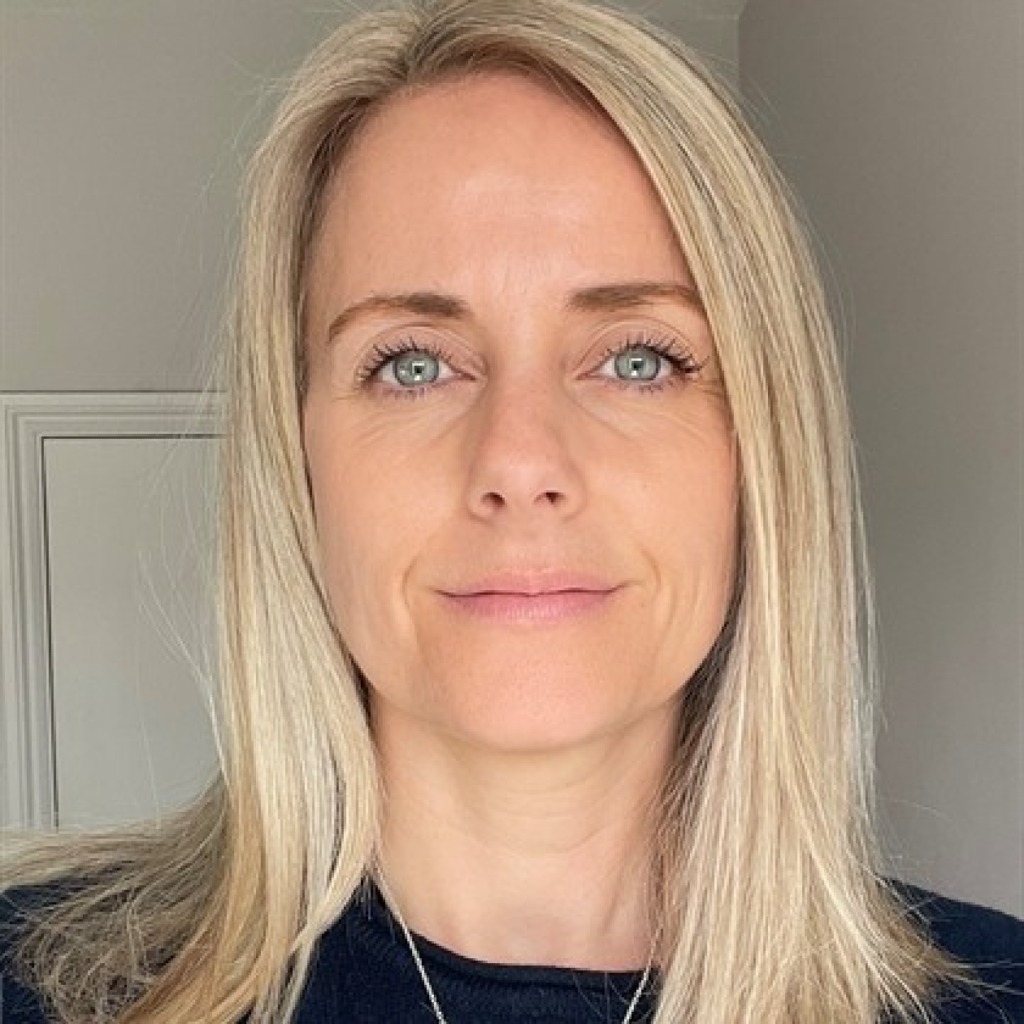
Julie Muir, Executive Director of Recovery Services, reflects on the importance of reunion events to Forward’s mission.
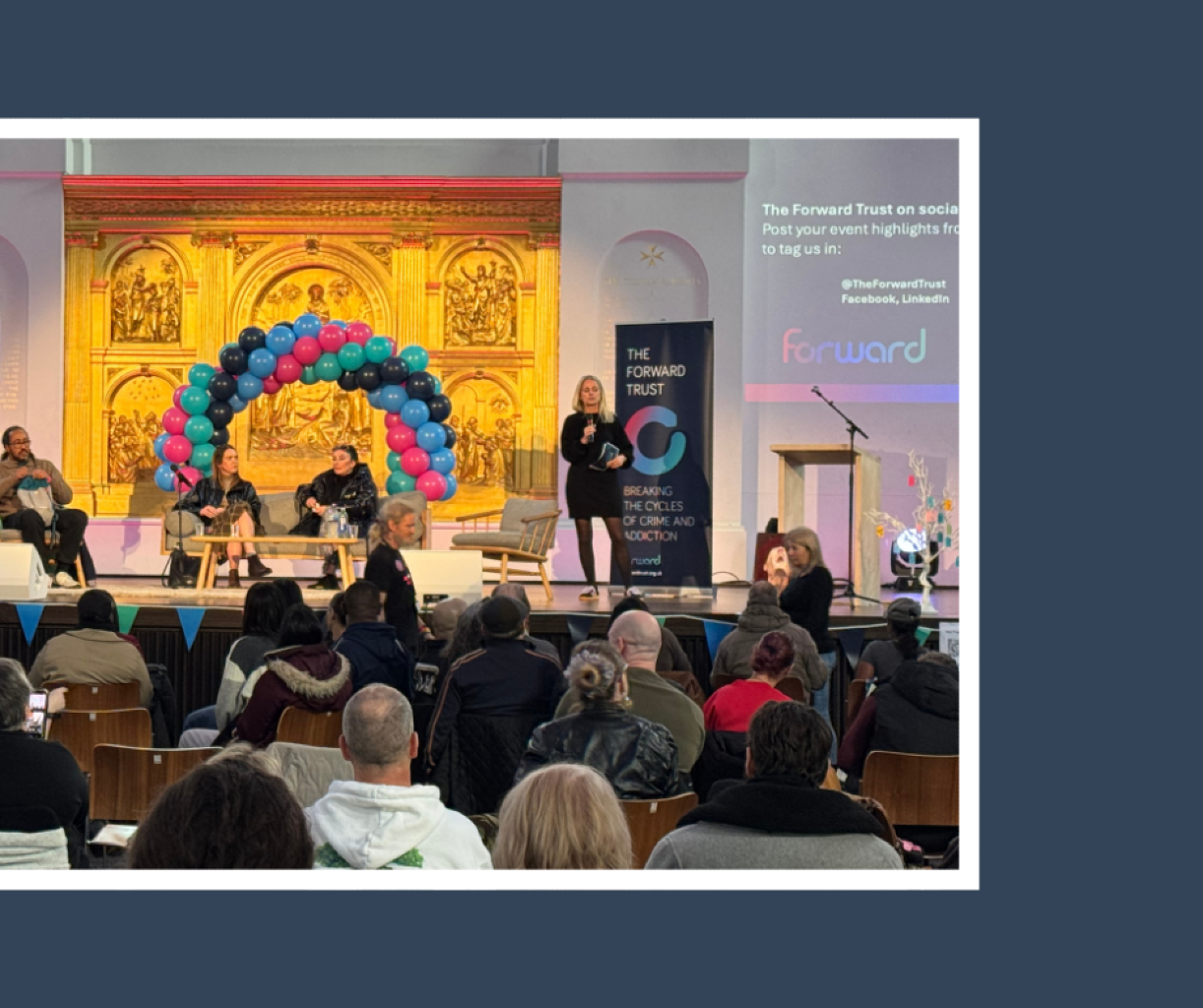
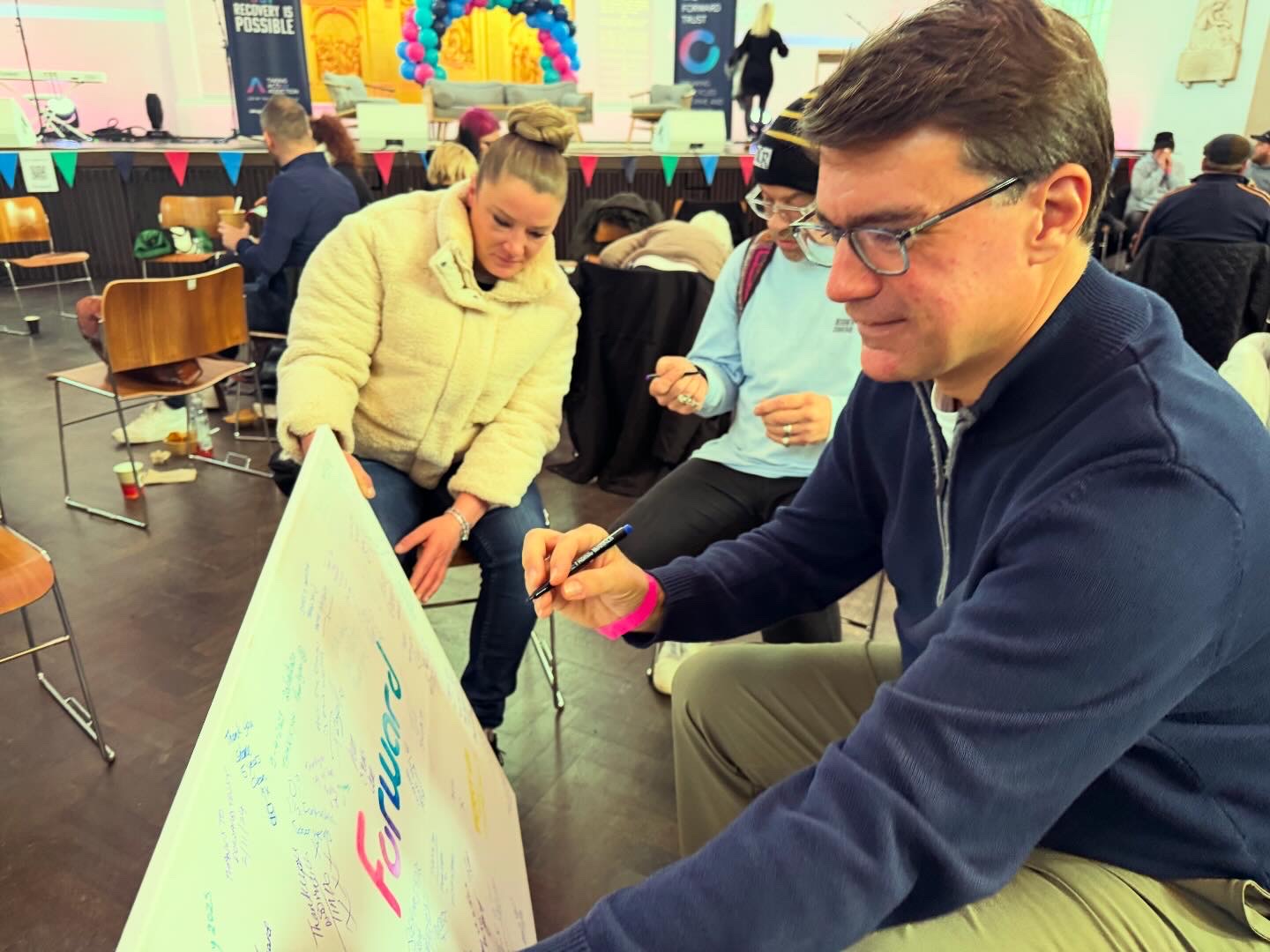
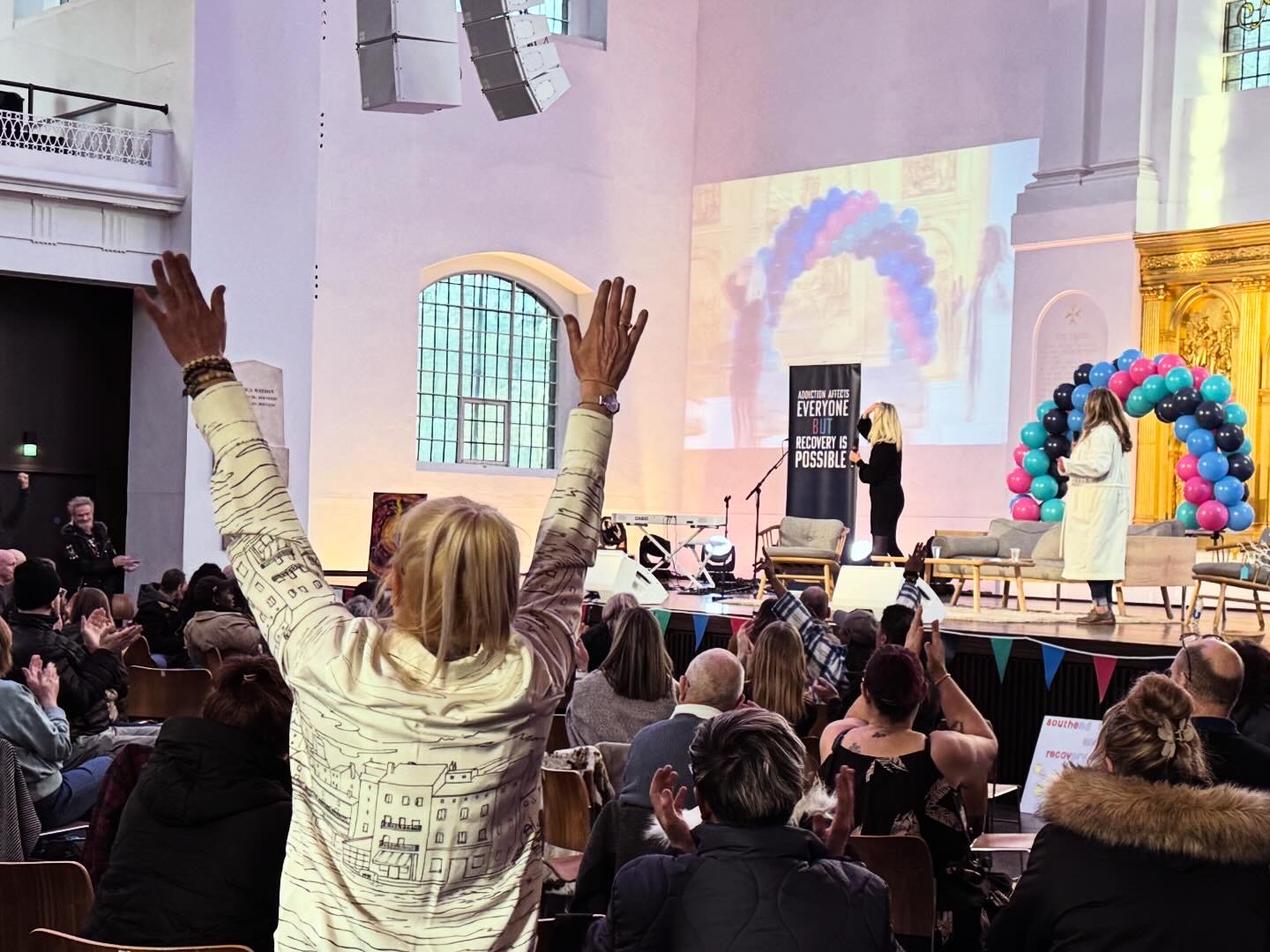
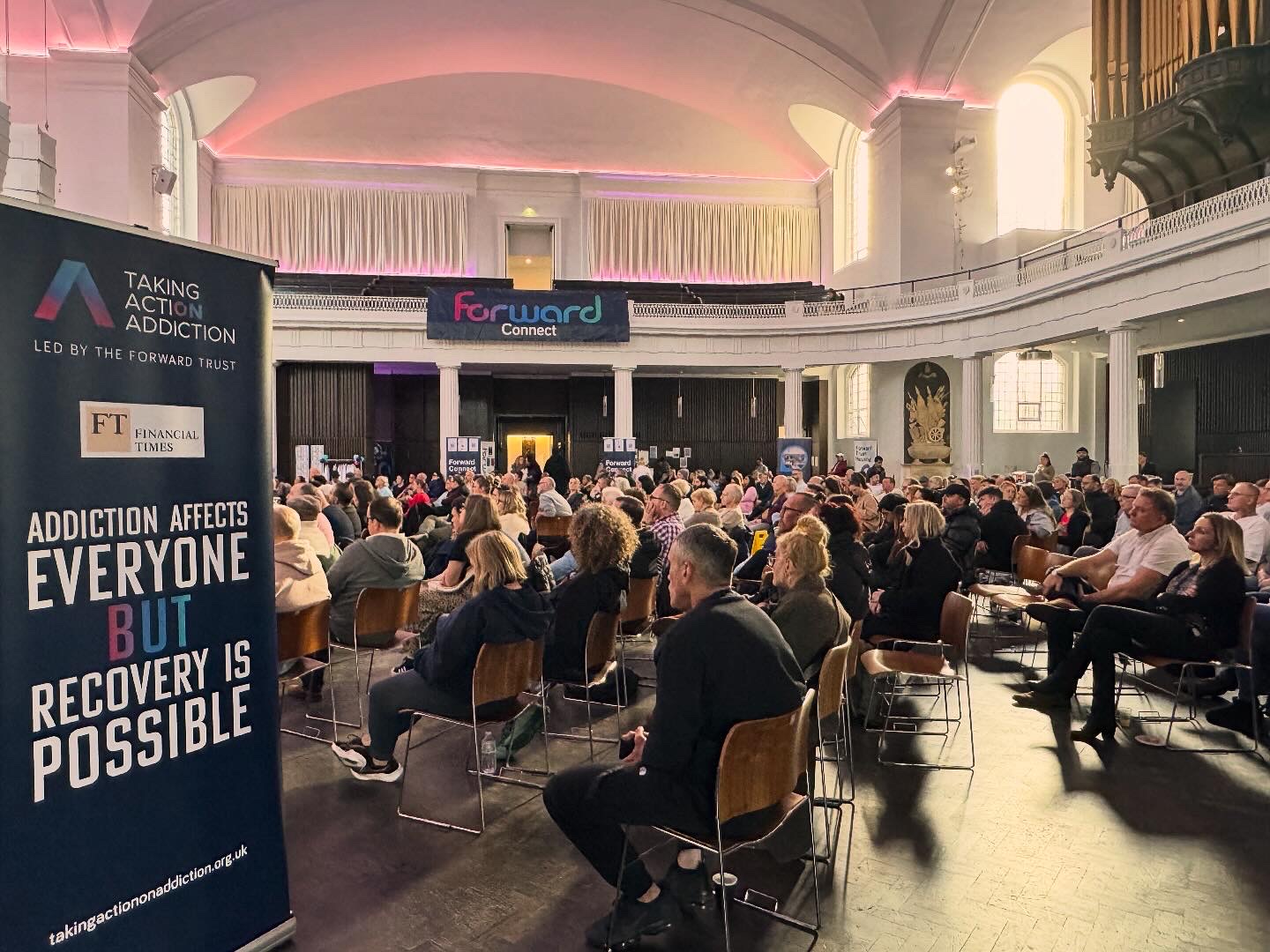
On Saturday 24 January, more than 400 people travelled from across the UK to come together for Forward’s national reunion — our flagship recovery event of the year. As I walked into the main hall at Hackney Church, I was immediately struck by the energy in the room. I knew, without question, that this was going to be a truly special day.
It’s difficult to fully capture the feeling these reunions create. I joined The Forward Trust in 2009, but have been attending these reunions since 2003, and I’ve watched these events grow and evolve in ways we could never have imagined back then.
That growth tells me two important things. First, recovery does not happen in isolation. People thrive when they feel connected, seen and supported by others who understand their journey. Shared experiences like these are not a “nice to have”; they are fundamental to sustained recovery. Second, demand for our services has never been greater. In 2025 alone, more than 35,000 people accessed a Forward service — an increase of 3,000 on the previous year. Behind every one of those numbers is a person, a family and a story.
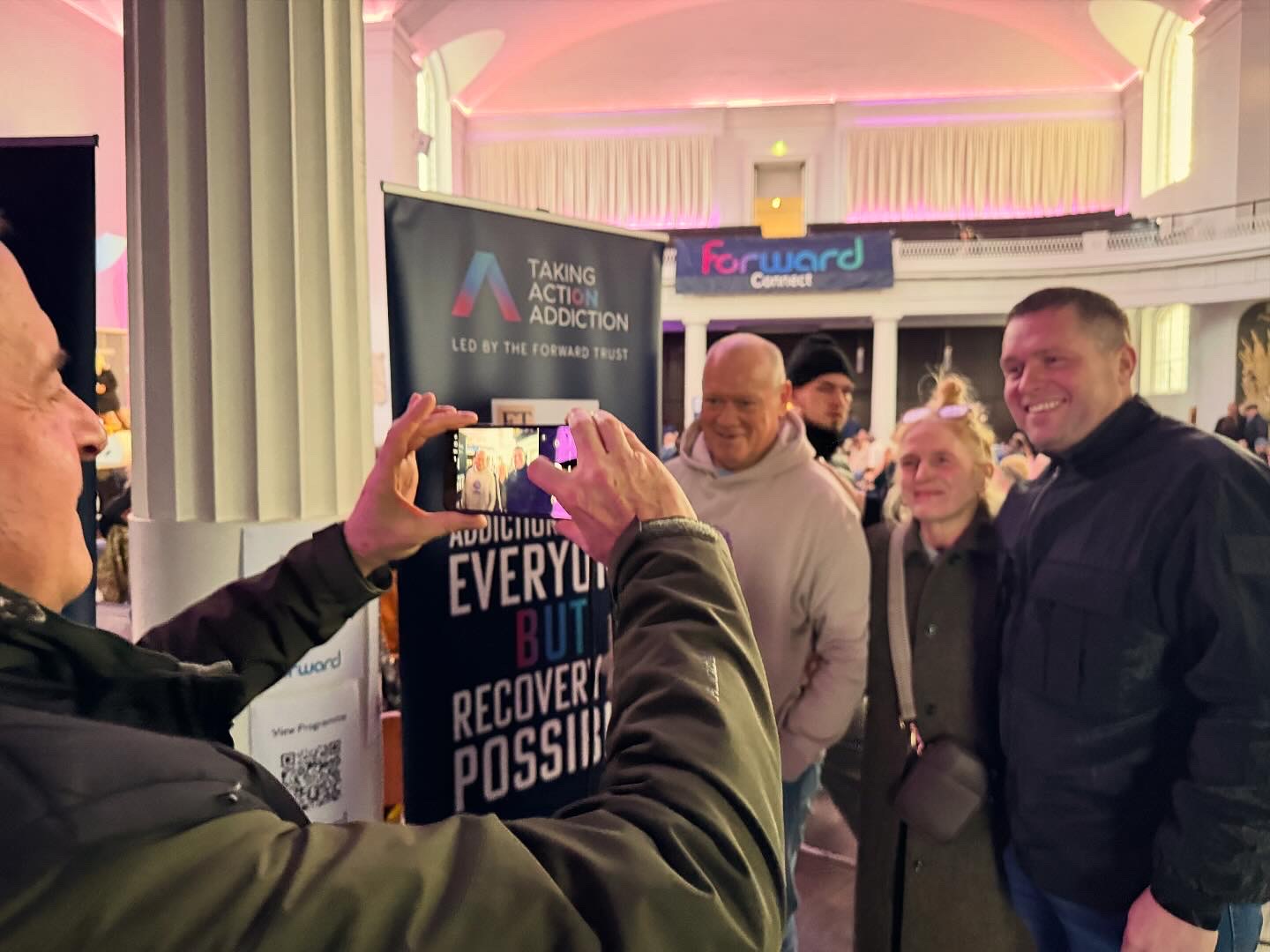
As I arrived, I found myself chatting with a steady stream of people who had travelled in at the same time — all visibly excited to reconnect with old friends and to meet others who are also in recovery. This sense of anticipation and belonging is exactly why we work so hard to make these events accessible. Forward is proud to provide coach travel from service areas including Southend, Liverpool, Dover, Braintree and many more. It’s a simple, practical step, but one that ensures geography or finances don’t become barriers to connection.
What makes our reunion events so powerful is their inclusivity. Former clients, current clients, staff, volunteers and partner organisations all come together as equals, sharing space and conversation. People of all ages are present — including young people and older children accompanying parents or relatives. This matters deeply to us. Recovery impacts families, not just individuals, and our family services exist to support loved ones who are often carrying their own experiences of harm, resilience and hope.
The day itself is intentionally designed around connection. The morning is unhurried, allowing people to catch up over coffee, enjoy good food (thank you to Ilario and his catering team!), and simply be together in the beautiful surroundings of St John’s Church. Time and again, people tell us how meaningful it is to have that space — to rebuild friendships, form new ones, and for staff to see how former clients are doing, sometimes years on, often with their families beside them.
As host of the event, I had the privilege of welcoming everyone and introducing our main recovery shares. I am always struck by the courage and generosity of those who volunteer to tell their stories. They speak honestly about devastating lows and hard-won change, about loss and rebuilding, about pain and possibility. That honesty — unfiltered and real — is what makes these moments so impactful. It reminds us all why recovery services must be compassionate, trauma-informed and grounded in lived experience.
Following the success of Recovery’s Got Talent during Addiction Awareness Week last year, we were delighted to welcome several performers back to share their musical talents - including Moe's talented R&B covers, Chrissy's impressive piano ballads, and Lee & Jamie's rousing acoustic numbers. Creativity and self-expression are powerful parts of recovery, and it was a joy to see the room come alive with that energy once again.
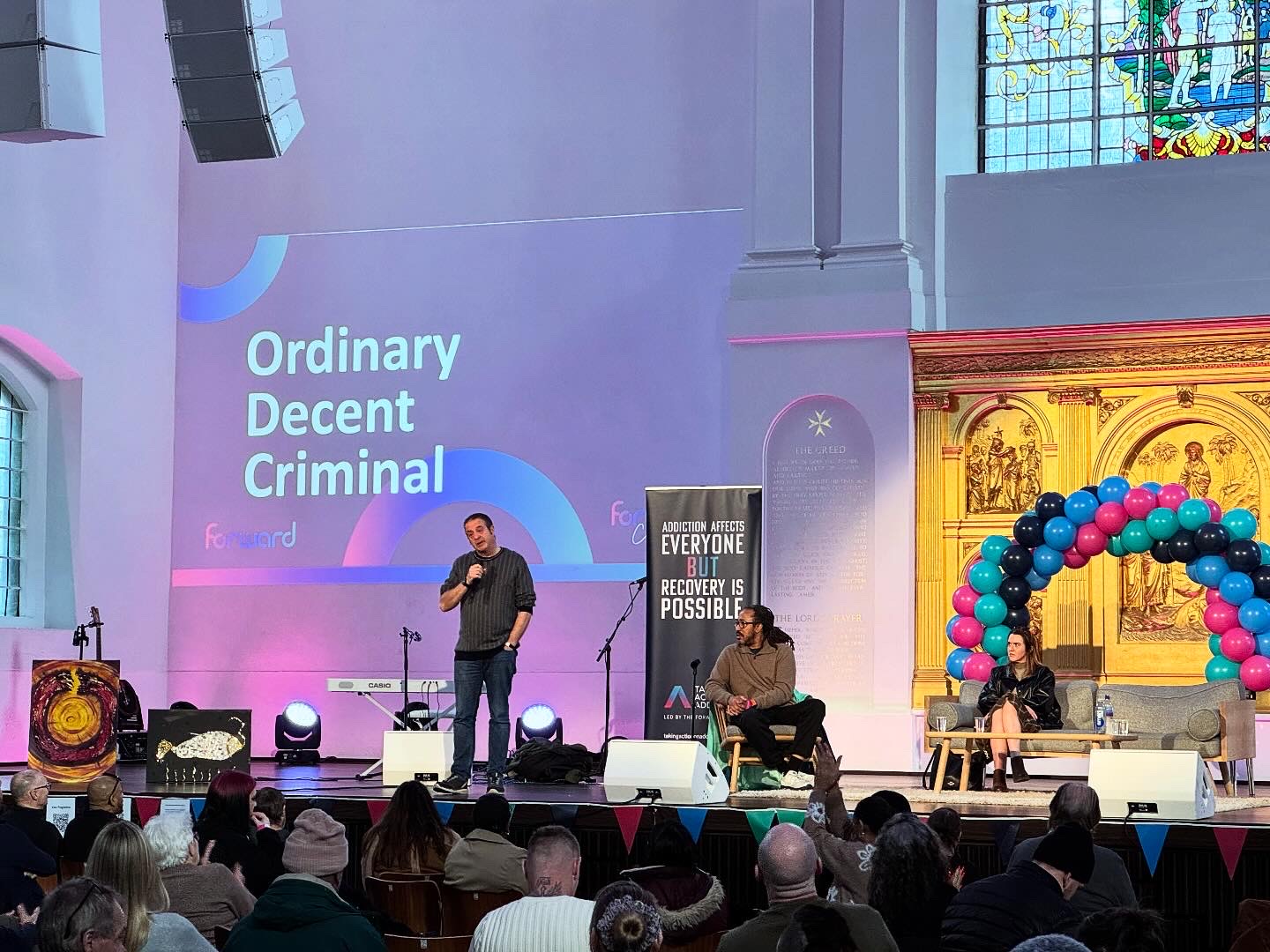
We were also incredibly grateful to actor and comedian, Mark Thomas, who shared a short rendition from his touring play Ordinary Decent Criminal. His performance was both moving and confronting, offering a stark reflection of the chaos and complexity many people have lived through during addiction. It was a powerful reminder of why empathy, understanding and second chances must sit at the heart of our work.
We closed the day with an open mic for new recovery shares, the Serenity Prayer and a cleantime countdown — recognising people with sobriety ranging from 46 years to just one day. That moment captures everything these reunions stand for: hope without hierarchy, progress without judgement, and a community that celebrates every step forward.
As I reflect on the day, everything comes back to connection. At a time when compassion can feel stretched and many people feel increasingly isolated, these events reaffirm something we know to be true: meaningful, In-person connection is foundational to sustained recovery. It is why Forward does what it does — and why we will continue to create spaces where people can belong, heal and move forward together.
Find out more about Forward Connect and how to stay connected in recovery.