03 Jul 2026
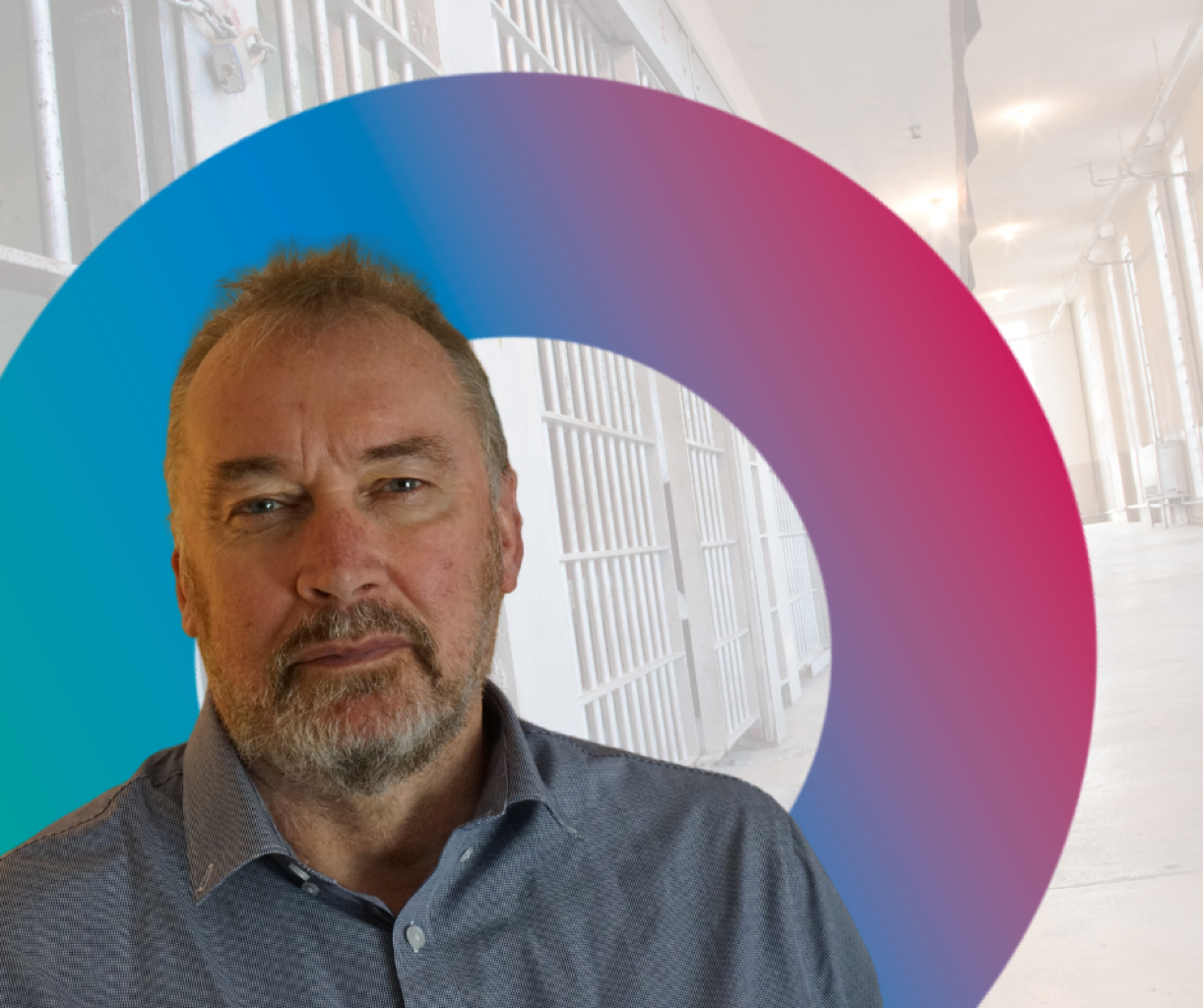
This week (1 July), Emma Stuart, Executive Director of Criminal Justice at The Forward Trust, provided expert insight as part of an important lecture delivered at the House of Commons for the Home Affairs, Human Rights, Equalities and Justice Hub — a research and advisory unit that brings together policymakers, academics and practitioners to explore key social issues.

Emma joined a panel of leading criminal justice experts, including Professor Shadd Maruna, Dr Ruth Armstrong (University of Liverpool Department of Sociology, Social Policy and Criminology), Marc Conway (Director of Fair Justice and CEO of UNGRIPP), and Dr Dominique Walker (Chair of the Anthony Walker Foundation and Senior Lecturer in Forensics, Policing and Investigations at Liverpool John Moores University), to contribute to a lecture titled Hope in the Dark.
The panel presented insights from the UK Research and Innovation (UKRI) and University of Liverpool project Making Space for Radical Imagination, which The Forward Trust is proud to support as a collaborator.
This innovative project is exploring what meaningful, long-term reform of the criminal justice system could look like. Through three 'Challenge Labs', people with lived experience of criminal harm, criminal sanctions and those working in the criminal justice system have come together with researchers and practitioners to radically reimagine a justice system that is better equipped to reduce offending and the harms associated with it.
Building on research into the role of social movements in driving change, the project draws on Professor Maruna's work on desistance and Dr Armstrong's research into institutional leadership and systems change. Together, these perspectives have helped shape a bold vision for the future of justice.
Key principles presented during the lecture included:
A smaller, less centralised justice system, with less imprisonment and greater use of community-based approaches
Relationships as the primary mechanism for change
Communities as the active site of response and support
Justice environments that provide care rather than control
Compassion and empathy as structural principles
Trauma as a central organising principle for reform
The panel also explored the importance of language. Speakers highlighted the limitations of labels such as 'offender', 'victim' and 'frontline worker', arguing that they can oversimplify complex experiences and create unnecessary divisions. Instead, the project advocates for more person-centred language, including terms such as 'people who have suffered criminal harm', 'people who have caused criminal harm', and 'professionals who work to reduce criminal harm'.
On behalf of Forward and our partners in criminal justice , Emma called for greater support for community-based, grassroots and smaller organisations, emphasising the vital role they play in helping people rebuild their lives.
Drawing on her extensive experience across the criminal justice sector, Emma argued that creating a greater diversity of opportunity is essential. She highlighted the need for commissioning and contracting models to become more inclusive, while also strengthening partnership pathways and ensuring operational policies support a wider range of organisations, services and contributors.me more inclusive, while also strengthening partnership pathways and ensuring operational policies support a wider range of organisations and contributors.
Emma also showcased a number of Forward's lived experience initiatives, including Forward Connect, our peer-led recovery community; our work supporting the development of Lived Experience Recovery Organisations (LEROs) in Nottinghamshire and East Kent (ROAR Kent), community social activities for people on probation, and More Than My Past our campaign celebrating real stories of transformation and recovery.
Speaking after the lecture, Emma said:
"When it comes to working with people on probation and in prison, we face some of the highest barriers to bringing people into contact with others who have lived experience. Over 35% of Forward's staff have lived experience, yet in some justice settings vetting arrangements mean we have below 10% representation — and in some places none at all."
With the Government announcing a major review of prisons on the same day, the panel also discussed how the project's findings could inform future reform. Speakers advocated for a lived experience-led approach to policymaking, championing the principle of 'nothing about me, without me'.
This week, the findings are being discussed further at a roundtable with the Ministry of Justice — an important opportunity to influence positive change across the criminal justice system.
Looking ahead, the themes emerging from the Challenge Labs will be explored in three forthcoming episodes of the Secret Life of Prisons podcast. Emma joined Marc Conway and Dr Dominique Walker for a live panel discussion that will form part of the series. The conversations highlighted a powerful message: people with lived experience of criminal harm, criminal sanctions and frontline criminal justice work often have far more in common in their vision for the future of justice than public narratives might suggest.
Useful Links