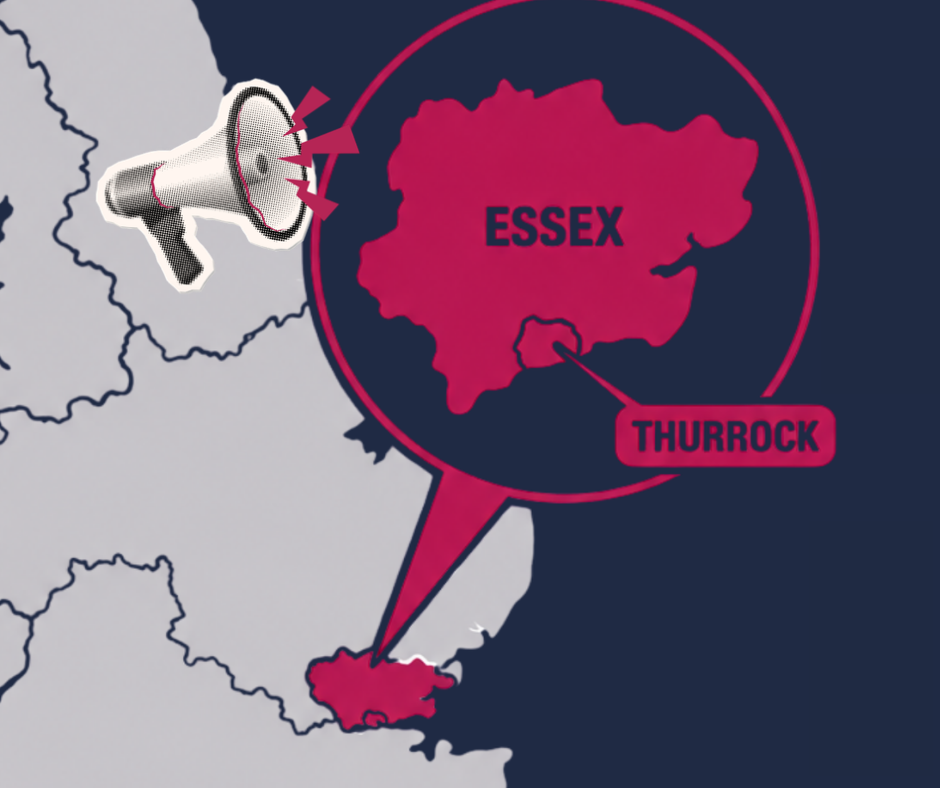
Forward Trust has been made aware of reports that, since early October, some heroin supplies circulating in the Thurrock and Essex area have tested positive for fentanyl. This information has been verified through fentanyl testing strips and intelligence received by our Thurrock Drug and Alcohol Service. Several people have also reported that heroin currently in circulation appears stronger than usual and has caused them to feel unwell following use.
Fentanyl is a synthetic opioid that is around 100 times stronger than morphine and can significantly increase the risk of overdose and death, particularly when mixed with other drugs. Fentanyl is significantly stronger than heroin. It is sometimes used to medically manage severe pain, normally in a clinical setting, but can also be sold illicitly. Fentanyl is increasingly being discovered in illicit drug supplies, having been 'cut' with more expensive street drugs. Even a very small amount of fentanyl can significantly increase the risk of accidental overdose, particularly when someone is unaware it is present in the usual batches of drugs they use regularly. People may not be able to see, smell or taste fentanyl, making it difficult to detect without testing equipment.
The safest option is not to use drugs. If you do choose to use:
Start with a small amount and wait at least two hours before taking more.
Do not use alone.
Avoid everyone using at the same time.
Carry naloxone and check it is in date.
Be aware of the signs of an opioid overdose, including unconsciousness, slow or stopped breathing, snoring, and blue lips or fingertips.
Seek immediate medical assistance if an overdose is suspected.
Access local drug and alcohol services for advice, naloxone, fentanyl testing strips where available, and information about emerging synthetic opioids such as nitazines.
Fentanyl testing strips are available through some drug and alcohol services and can help identify the presence of fentanyl in drug supplies. People are also encouraged to remain aware of emerging synthetic opioids, including nitazines, which can carry similar risks of overdose. Speak to your local service about the harm reduction support and testing options available in your area.
Fentanyl is a synthetic opioid, which means, in case of an overdose, naloxone should be administered quickly if safe to do so. It can reverse the opioid component and may save a life. Due to the strength of fentanyl and other synthetic opioids, several doses of naloxone may be required.
Signs of an overdose include:
Breathlessness or loss of consciousness.
Limp limbs.
Blueish tinge to lips and fingernails.
If you believe someone has taken an overdose:
Make sure the area is safe with nothing around that the individual can hurt themselves on.
Check for signs of an overdose. Pinch the ear and gently shake their shoulders to see if they respond.
Call 999 and ask for an ambulance.
If you have access to naloxone, use it. This won't harm them, and it could save a life.
Put them in the recovery position.
Monitor and support the individual until the ambulance arrives. You can administer a second dose of naloxone if needed.
Take care of your personal safety and dispose of any unused naloxone or sharp objects.
This information is relevant as of 3 November 2026.
After 4 weeks (1 December 2026), this page will be updated or taken down as required based on any new information we receive from regional sources.
Information sources: Thurrock Drug and Alcohol Service
The Forward Trust services continue to monitor the situation and encourage anyone with concerns about drug supplies, suspected contamination, or unusual reactions to seek support and report this information to local services, or to info@forwardtrust.org.uk.
If you're concerned about your own drug use or someone else's, speak to a member of the Forward Trust team for advice and support.

