23 Mar 2026
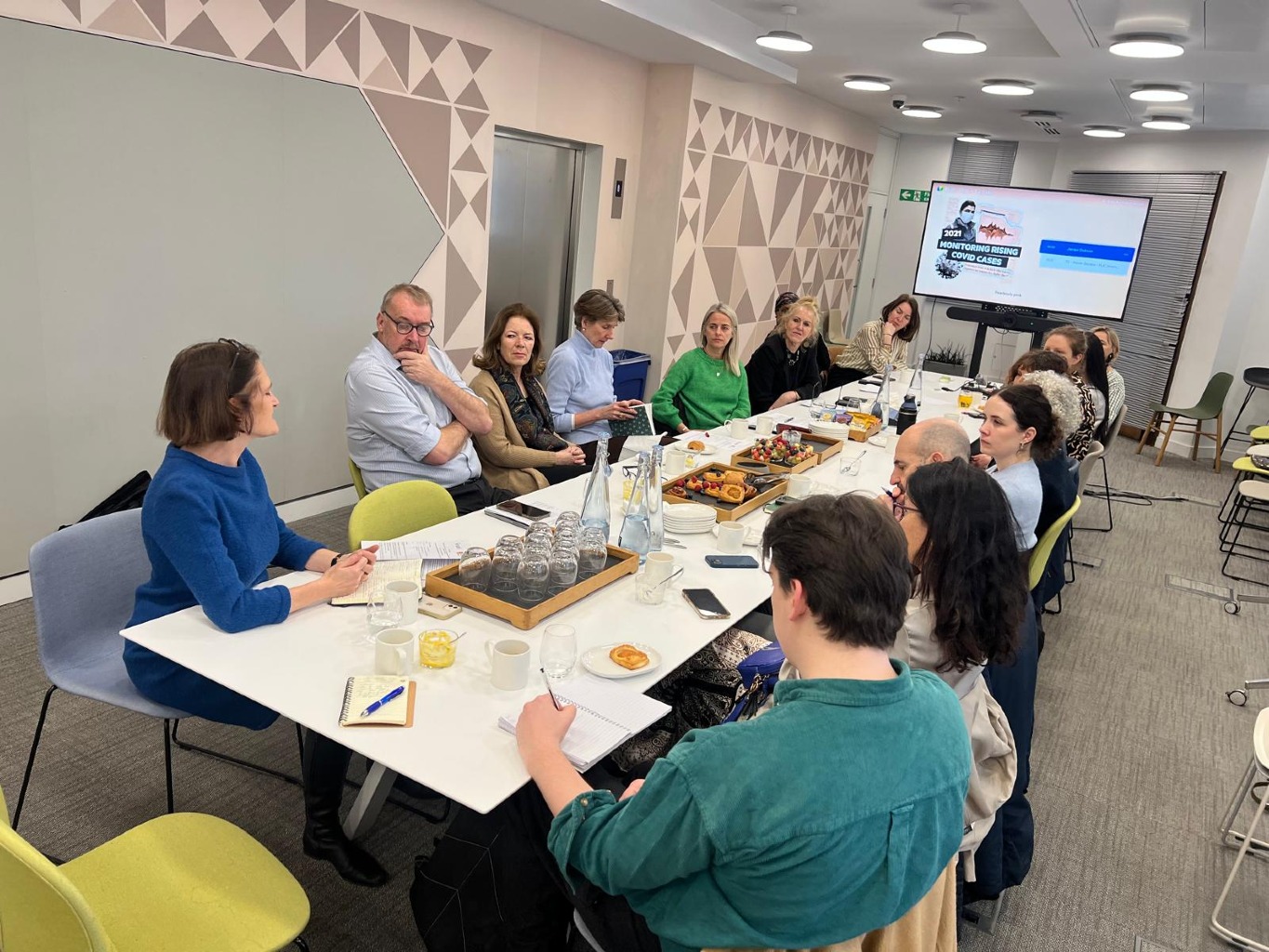
The latest in our media breakfast series at The Financial Times brought together an expert panel and journalists to examine the experience of women in the criminal justice system.
Despite making up a relatively small proportion of the prison population, women face disproportionately severe challenges, including high levels of trauma, abuse, and mental health issues. High proportions of women prisoners were also victims of crime, particularly domestic violence and coercion.
“Women in contact with the criminal justice system are amongst the most vulnerable in society, yet outcomes for them are significantly worse than those for men.”
Our roundtable discussion renewed calls for urgent reform of how women are treated within the criminal justice system, with experts and individuals with lived experience warning that current approaches are “failing women at every stage.” There have been good reports analysing the problem, and recommending positive solutions – including on the day of our event from the Women’s Justice Board – but the reality on the ground remains unchanged.
Panellists highlighted that many women enter the system due to circumstances beyond their control, including domestic abuse and coercion.
“More than two-thirds of women in prison are the victims of domestic abuse.”
Once inside, the prison environment often worsens existing problems. Self-harm rates among women are significantly higher than in male prisons, while access to mental health and trauma support remains limited.
“I needed support for bereavement and miscarriage, but got 0% support.”
A central concern raised during the discussion was the ongoing cycle of reoffending and reincarceration.
“Right now, it’s a revolving door as much as it’s ever been.”
Recent figures show a sharp rise [44%] in recalls to prison, often for minor breaches such as missing probation appointments rather than committing new crimes.
“The main reason is… not turning up for your appointment… which is not a massive risk to society.”
The impact extends beyond the individuals involved. Many women in prison are mothers, and their imprisonment can have lasting consequences for children and families.
“Half of the women in prison have children under 18.”
This contributes to cycles of disadvantage: “You’re then creating this whole generational cycle… with an appalling trickle-down effect.”
A lack of support after release was identified as a major barrier to rehabilitation. Stable housing emerged as one of the most critical factors influencing successful reintegration. However, many women leave prison with little or no support. Temporary accommodation, such as shared hostels, was widely criticised as unsuitable and unsafe for women with trauma histories. Safe, independent housing was repeatedly emphasised as critical.
Despite extensive research and policy recommendations over the past two decades, progress has been slow.
“It’s almost 20 years since… the Corston report.. but the number of women going to prison has doubled.”
Several barriers to reform were identified, including political reluctance, fragmented services, and short-term funding cycles. While recent government funding for women’s services has been welcomed, our experts questioned whether it goes far enough.
“The government promised an extra 32 million for women’s services… but it’s a very small amount of money and a lot needs to be done with it.”
Many also pointed out that key recommendations from past reviews remain unfulfilled, despite years of evidence calling for change.
Our panel of experts concluded with a clear message: prison is often used as a substitute for social support systems, rather than a solution to offending. There needs to be an urgent shift toward community-based alternatives, trauma-informed care, and long-term investment in housing and support services.
The consensus is clear: addressing the structural causes of women’s offending and providing effective support after release are essential steps toward breaking this cycle.
The Forward Trust would like to thank our hosts, The Financial Times, and panel of experts:
Rachel Sylvester - Political Editor of The Observer/chair of The Times Crime and Justice Commission.
Paula Harriott - CEO of the criminal justice charity Unlock.
Lucie Russell - CEO of User Voice, who brings together those impacted by the justice system with those who run its services to create transformative change.
Mandy Ogunmokun - Founder, Treasures Foundation, dedicated to helping women rebuild their lives after incarceration and addiction.
Muna Hassan – Project Manager, User Voice.
Julie Muir - Executive Director for Recovery, The Forward Trust.
For further information about our media breakfast series please contact fiona.mcdonald@forwardtrust.org.uk or call 074 8531 5614.